How Sandalwood Traveled the World
Used in embalming Egyptian mummies, ground into paste for Indian prayer, and carved into temples in the Tibetan mountains, sandalwood has travelled across cultures and centuries long before it appeared in our favourite aroma products.
This is the story of how sandalwood found its way from India to Australia!
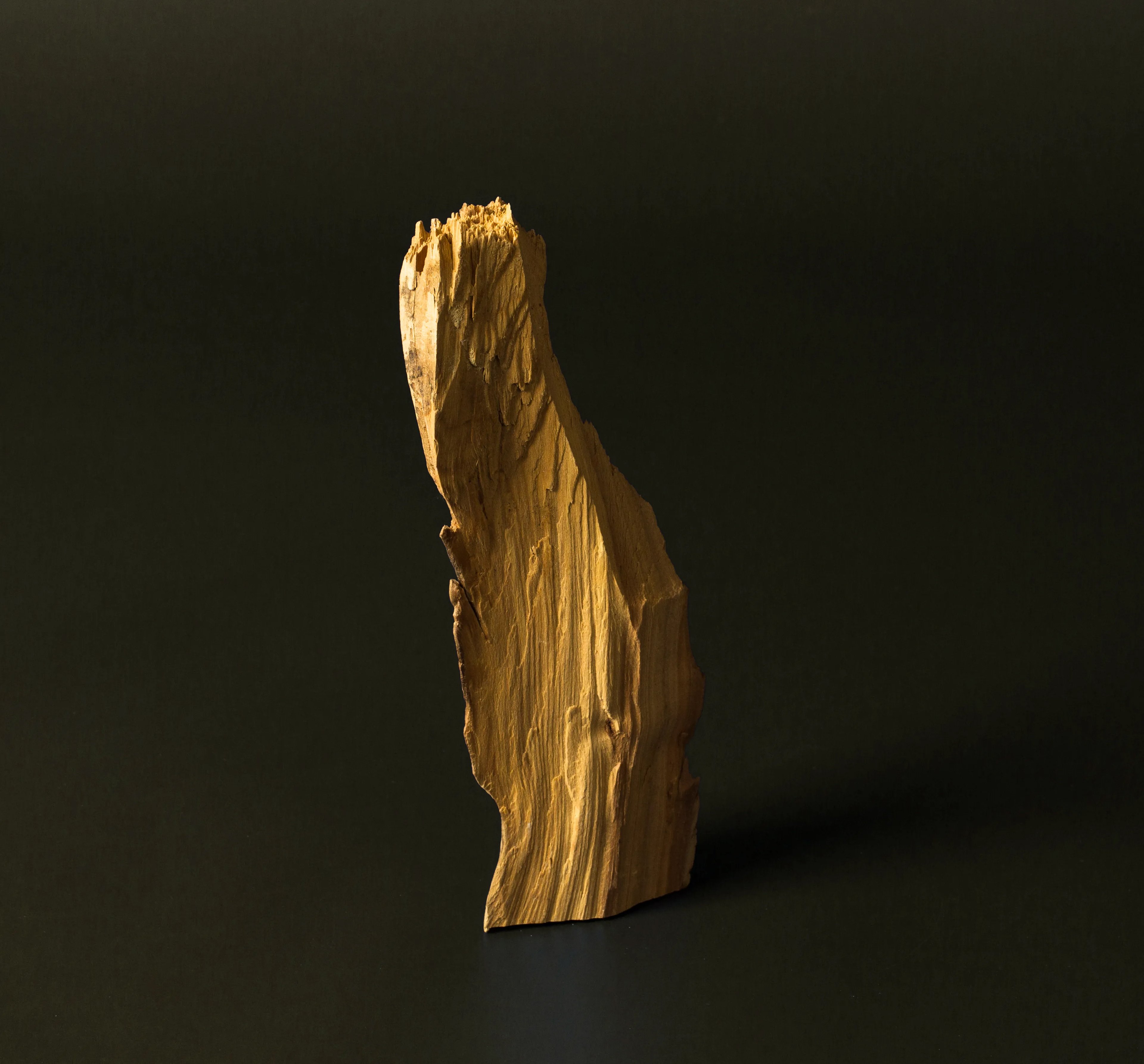
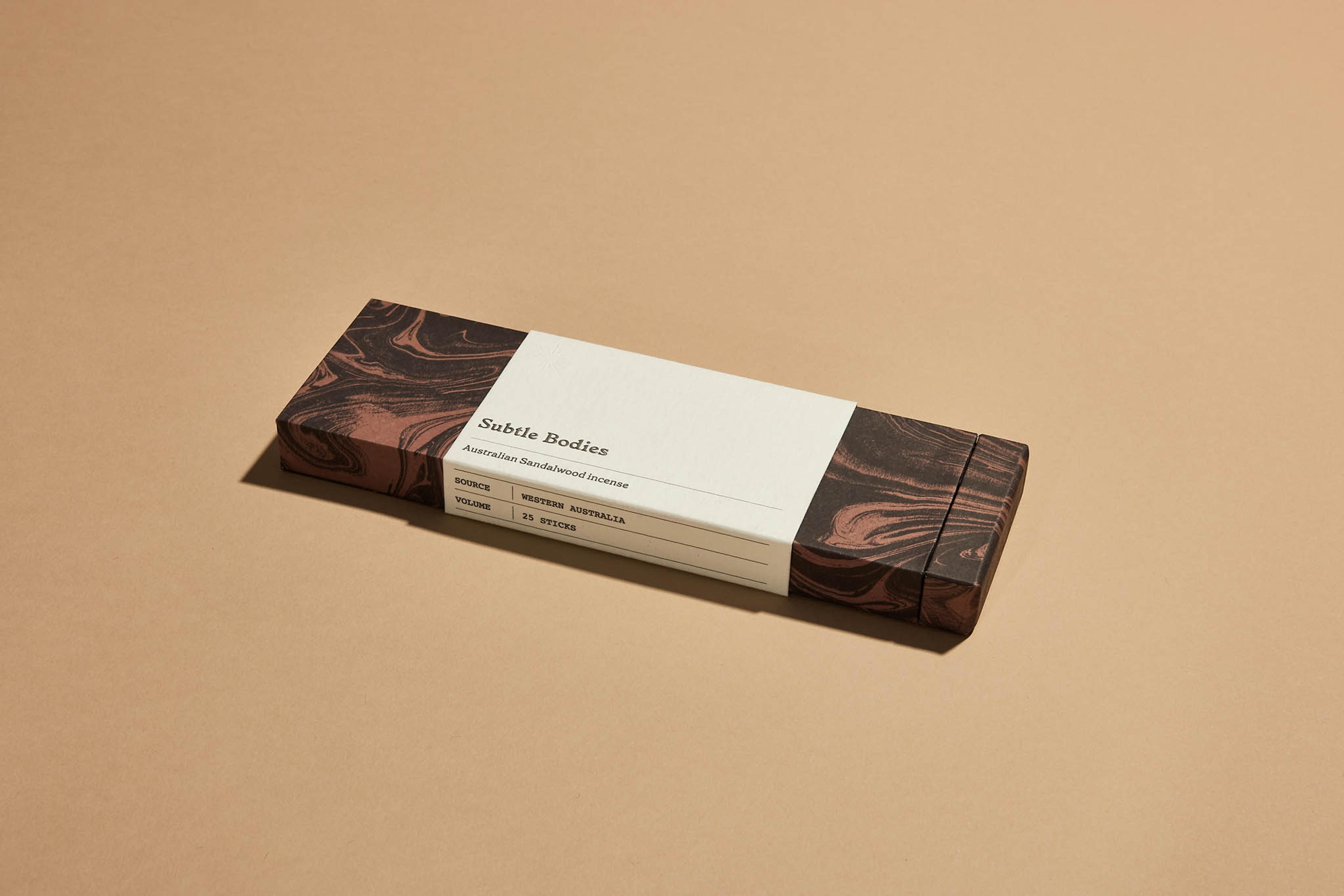
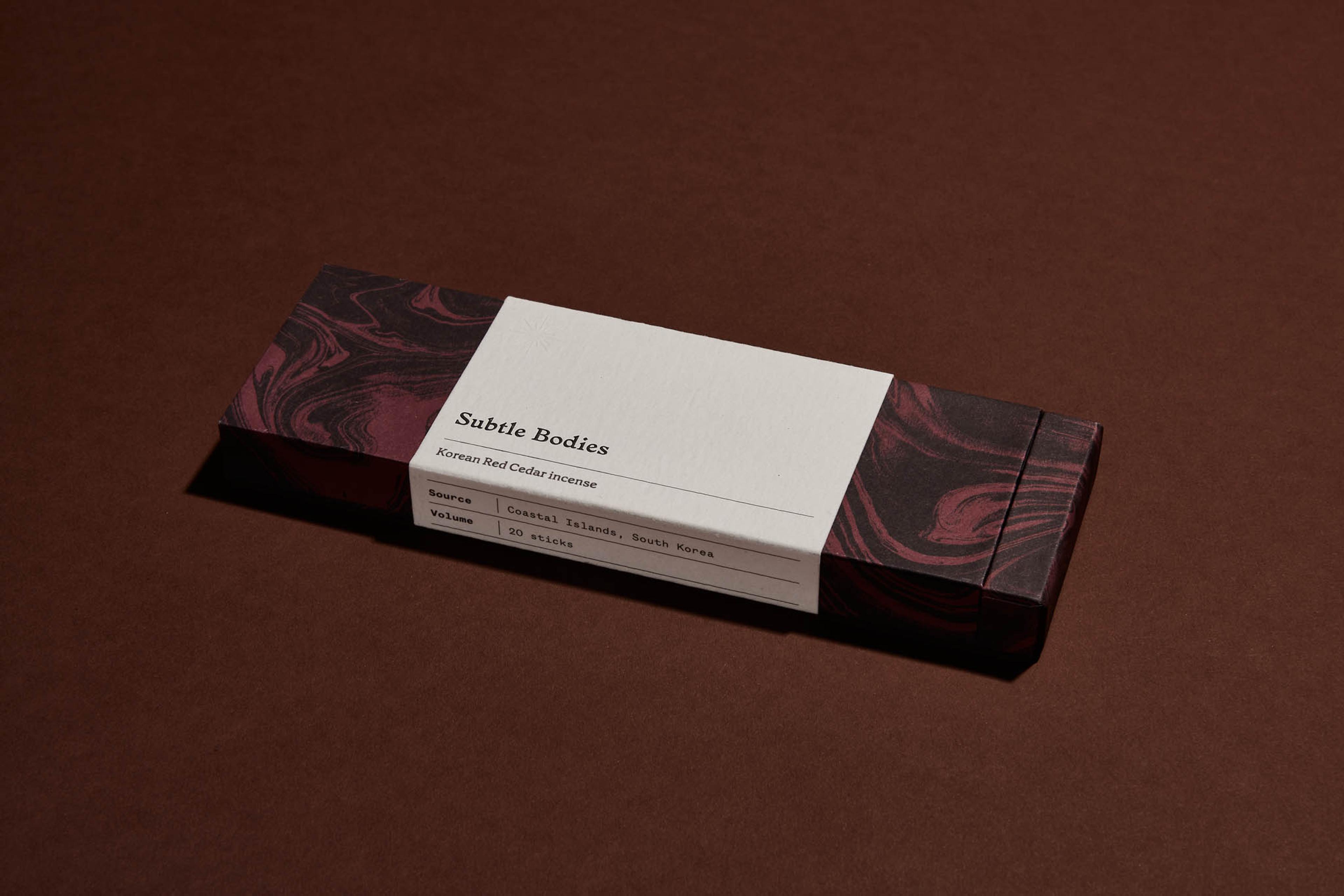
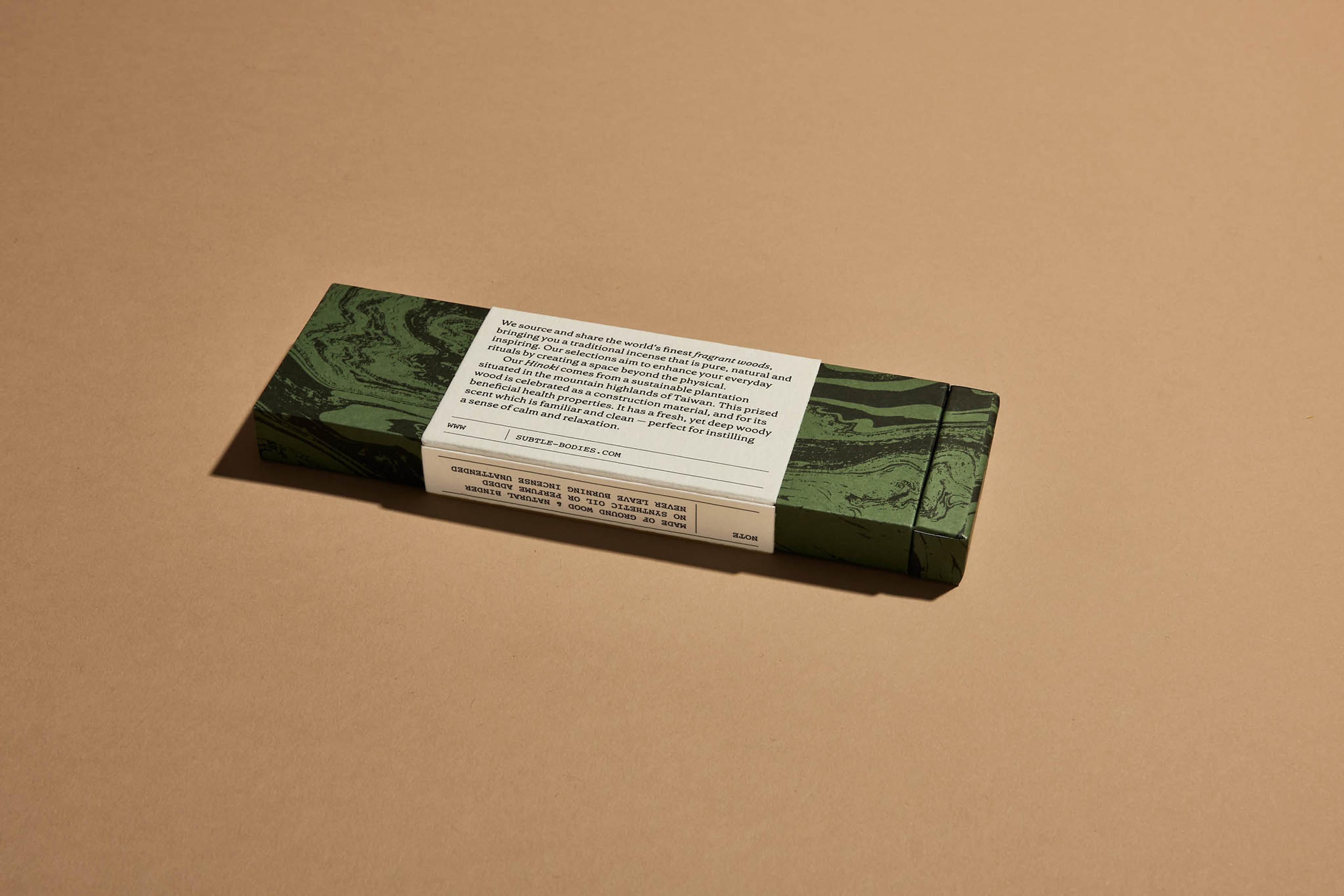
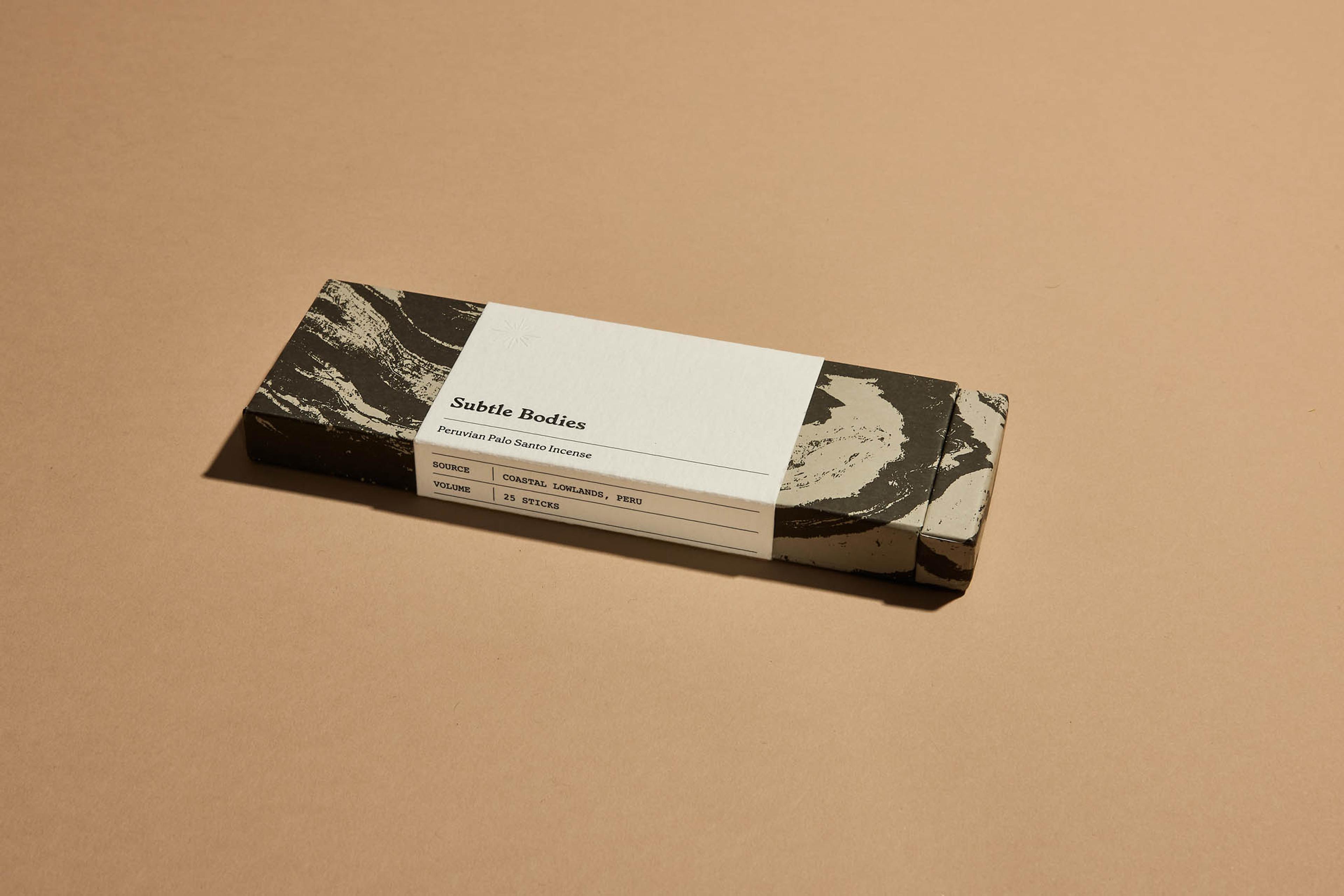
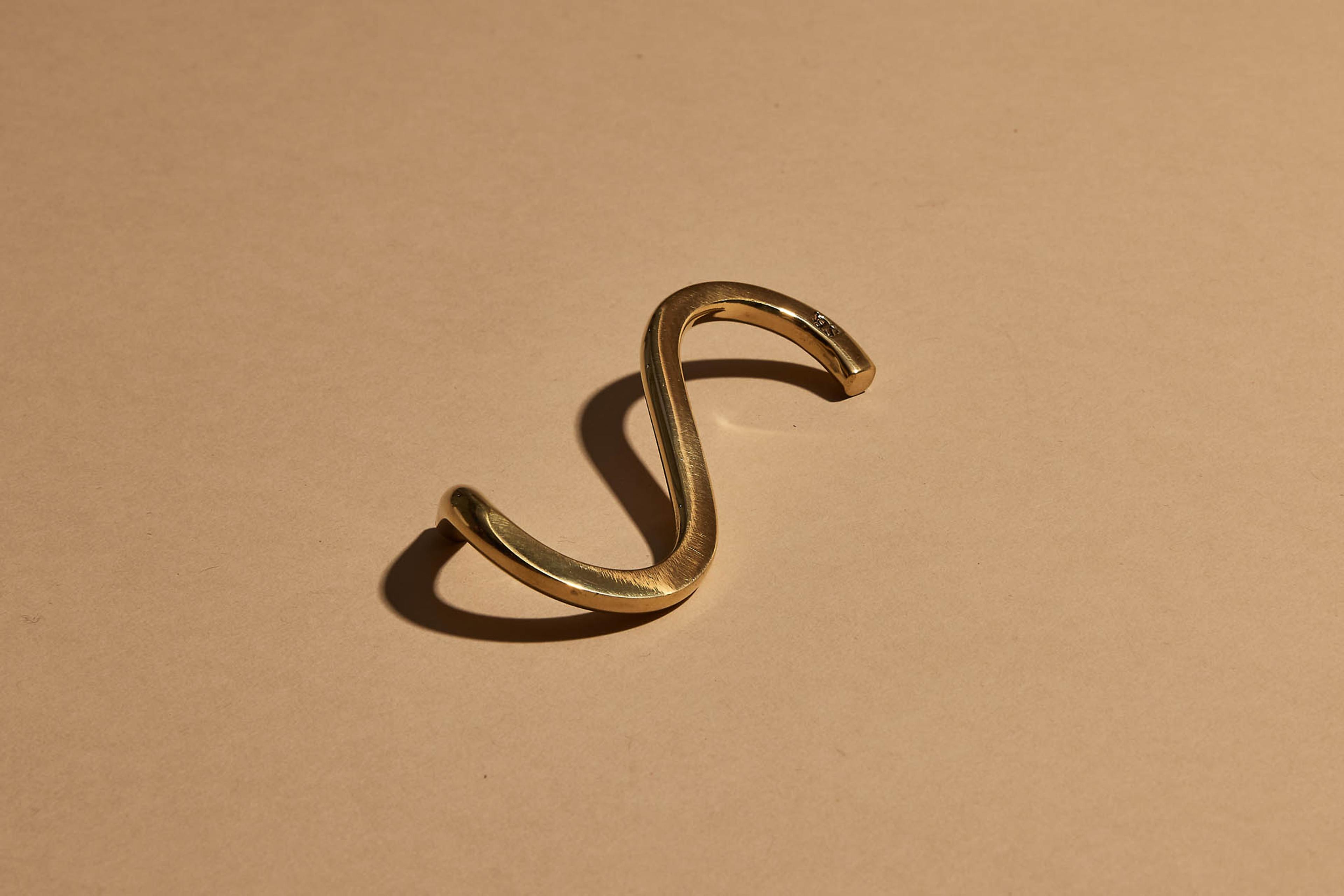
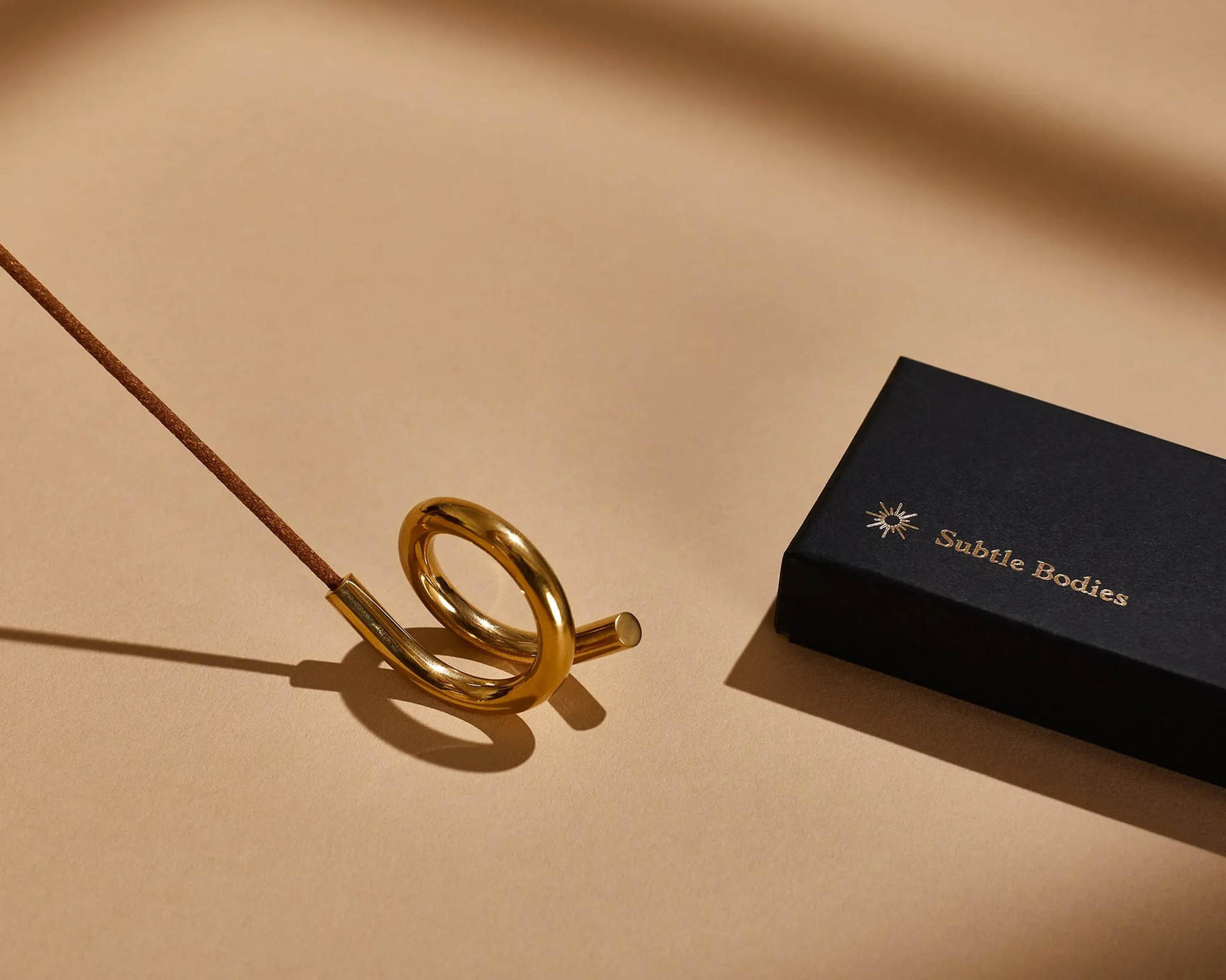
Photo: Sandalwood by Subtle Bodies
What is Sandalwood?
Sandalwood is an unassuming tree with sprawling grey branches that carry small, pale green leaves. Despite its humble appearance, beneath its bark lies a fragrant heartwood that takes up to 30 years to develop its distinctive milky, woody scent. This scent has made sandalwood a cornerstone of the woody fragrance genre. Loved for centuries in incense, it’s now just as recognisable through cult scents like Santal 33 by Le Labo.
Sandalwood lives where blistering dry summers are long, and when the rain finally comes it floods. You’ll find these conditions in India, home to the coveted Santalum album, and Western Australia, where its more contemporary counterpart Santalum spicatum grows.

Photo: Bazaar of Banten illustration, 1596
The Origins of Sandalwood
More than 3,300 years ago, sandalwood was already being traded across oceans. Not long after the Great Pyramids of Giza were completed, and centuries before the Roman Empire, sandalwood was already moving across oceans by merchant ship. India was the main source, with sandalwood exchanged among a mix of spices, aromatic resins, and silks arriving from across Asia.

Photo: Sandalwood Durga sculpture by Heliophilous (CC BY-SA 4.0)
In India, sandalwood was deeply woven into everyday life. Bindis made of sandalwood paste adorned foreheads and the scent of sandalwood dipped incense permeated rooms.
However, centuries of everyday use and growing demand overseas, led to immense pressure on their sandalwood supply with long-lasting effects. Wild Indian sandalwood became increasingly scarce and eventually classified as endangered.
This began the search for new sources of sandalwood.

Photo: Sandalwood tree (Santalum spicatum) by Jean Hort (CC BY 2.0)
Over in the dusty red stretches of the Australian bush, Aboriginal communities harnessed the power of their native sandalwood. Along with other native flora, sandalwood was used in daily life to repel mosquitoes, burn as incense in ceremonies, and heal as an effective bush medicine.

Photo: Australian Sandalwood Company sandalwood and rail cards at Geraldton, ca. 1930 (State Library of Western Australia)
When merchants caught wind of this untouched source of sandalwood, what followed was intense harvesting, far faster than the trees could recover. Seeing the same patterns that had unfolded in India, Australia slowly shifted course and forestries strictly regulated their industry focusing on sustainable long lasting practices.
Australia is now recognised as a sustainable source of sandalwood, producing both native Australian sandalwood and plantation-grown Indian sandalwood for us to enjoy today!
What’s the Difference between Australian and Indian Sandalwood?
Although belonging to the same family, there are distinct subtleties in scent.
Indian sandalwood is the classic woody aroma that has long been loved for its rich, creaminess and lingering warmth used in incense and perfumes for decades.
Australian sandalwood is its contemporary counterpart and is described as offering a lighter, cleaner aroma that is more botanical and fresh, sometimes with hints of citrus.

However, the most meaningful distinction between Indian and Australian sandalwood lies in the sustainable practices surrounding how the wood is sourced and used.
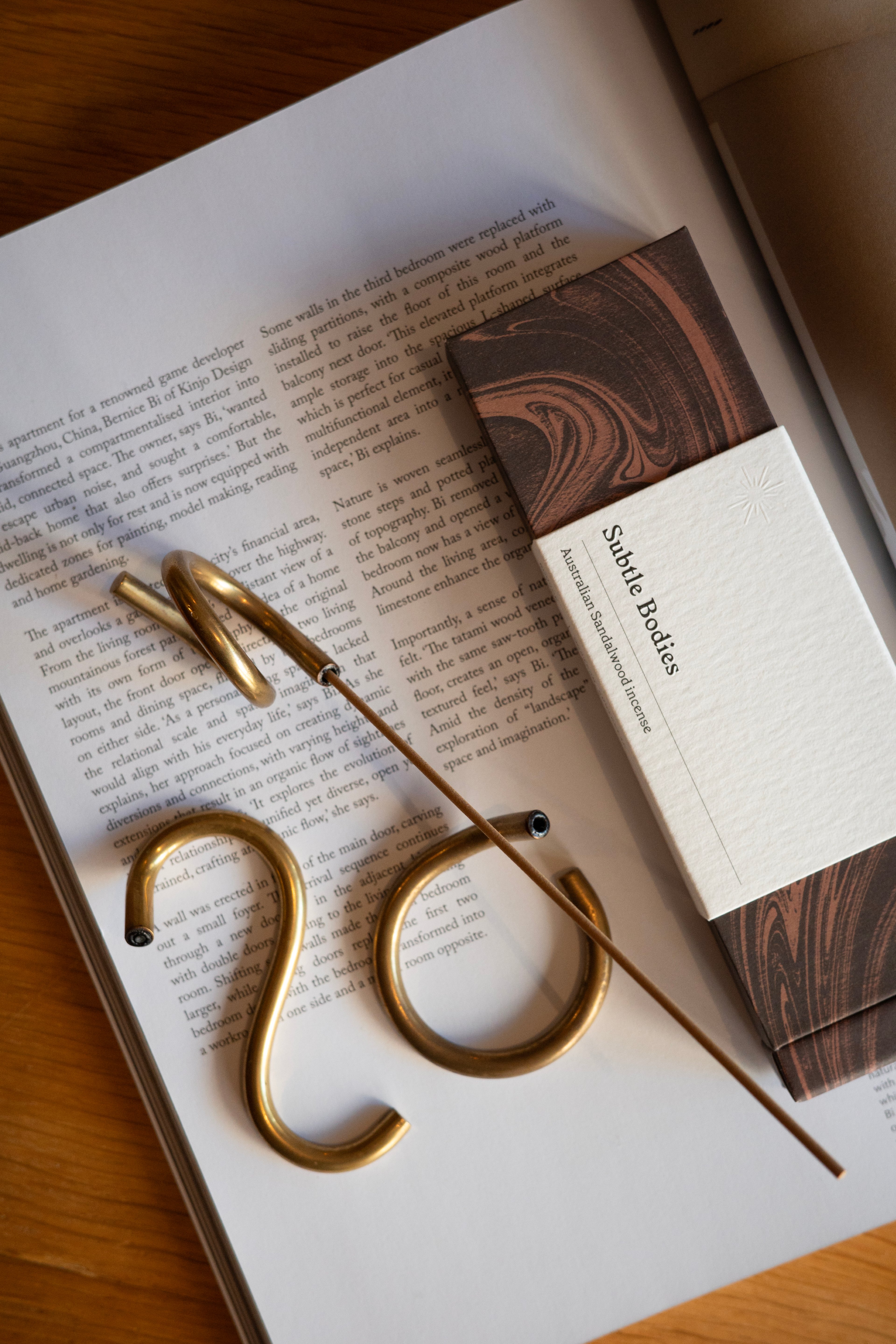
At JAU, we stock Australian natural incense brands that are deeply committed to working responsibly with the Australian landscape, including the way sandalwood is incorporated into their scents.
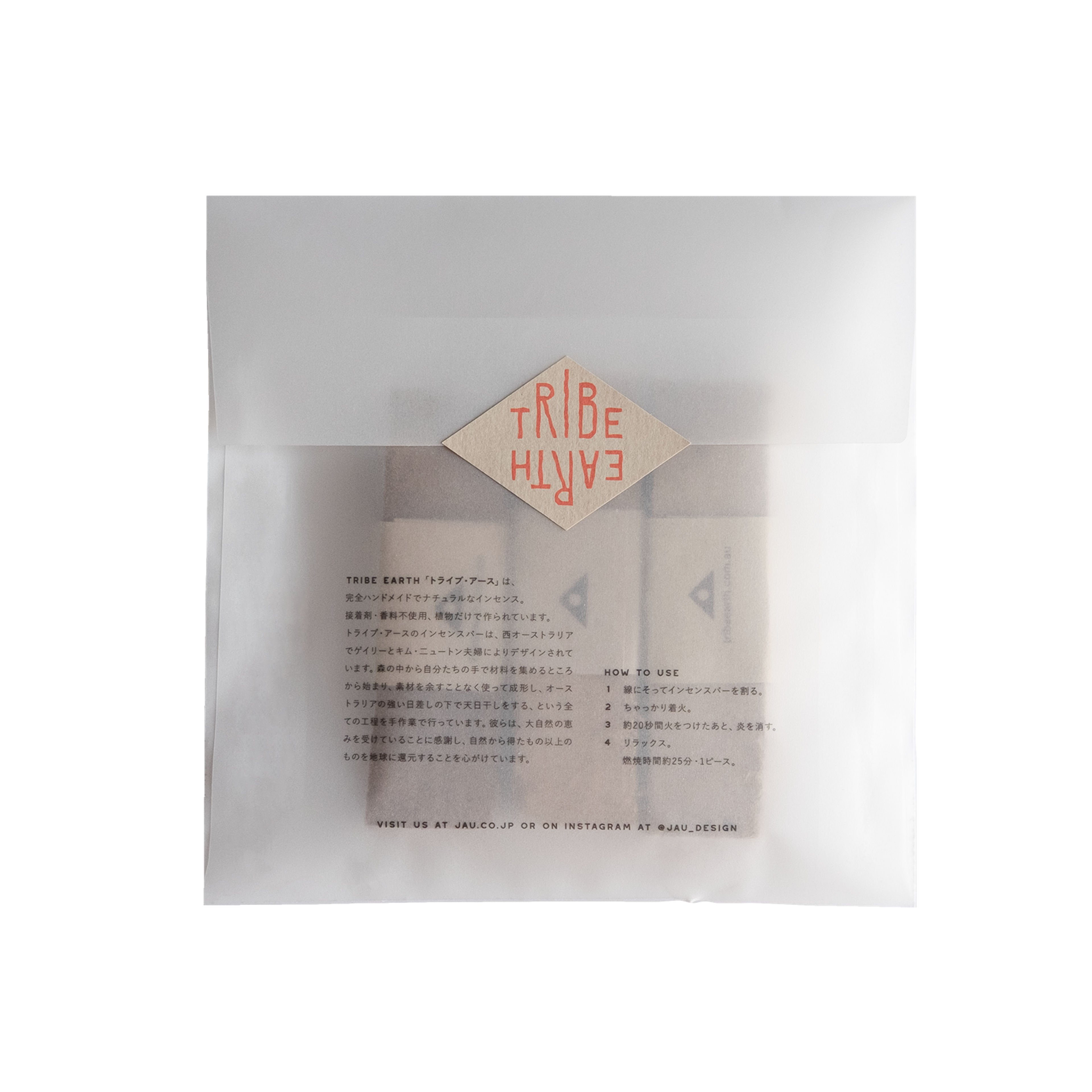
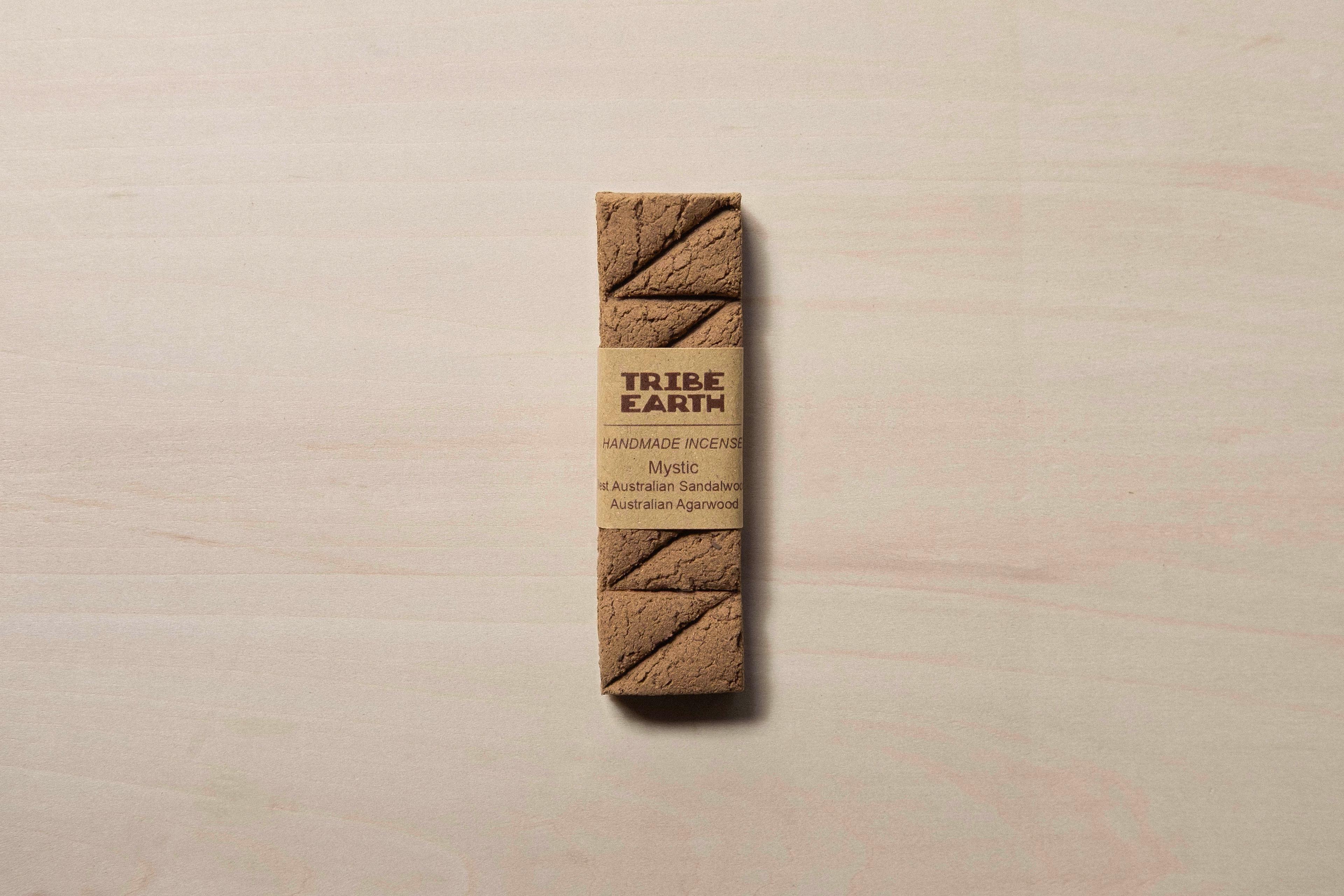
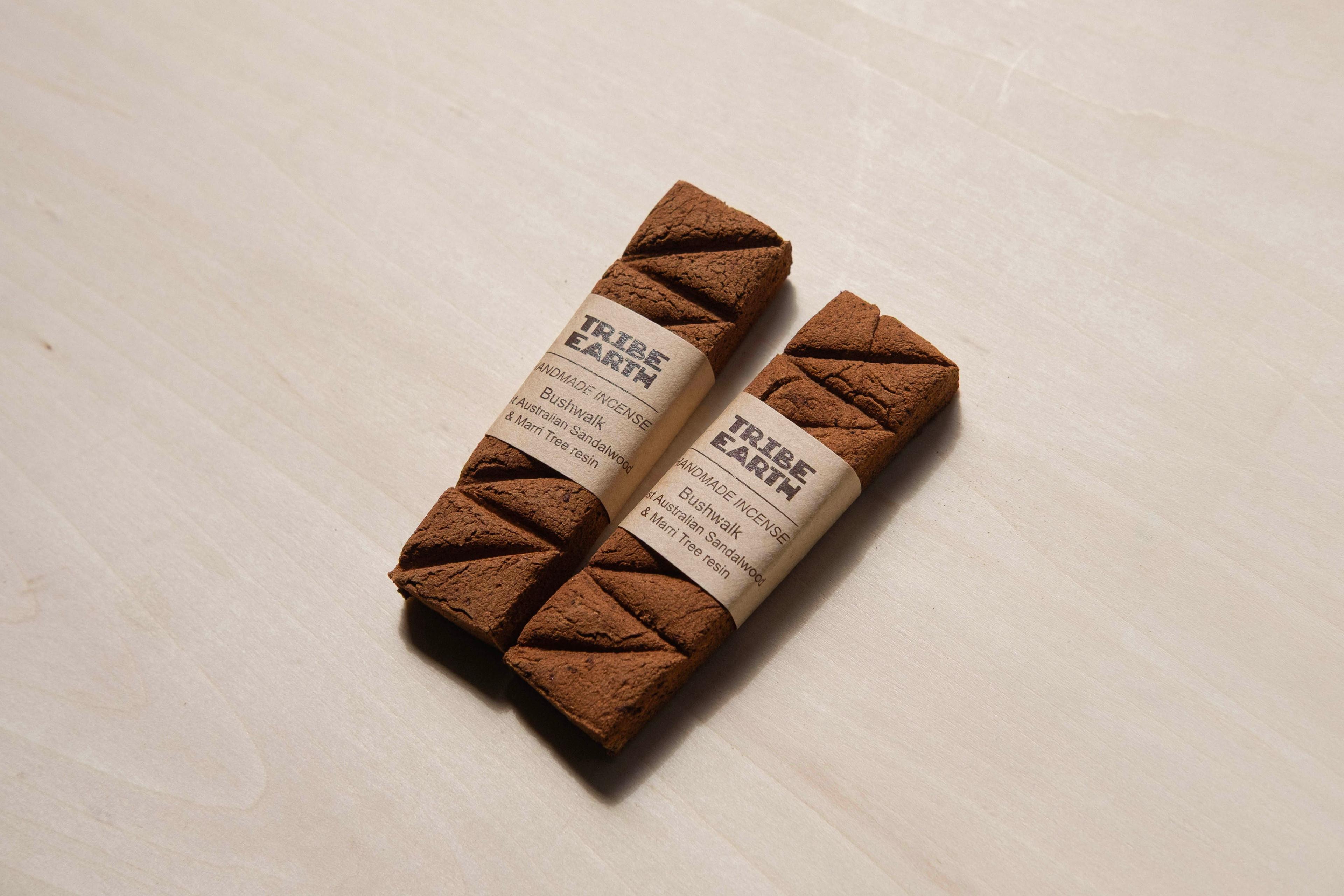
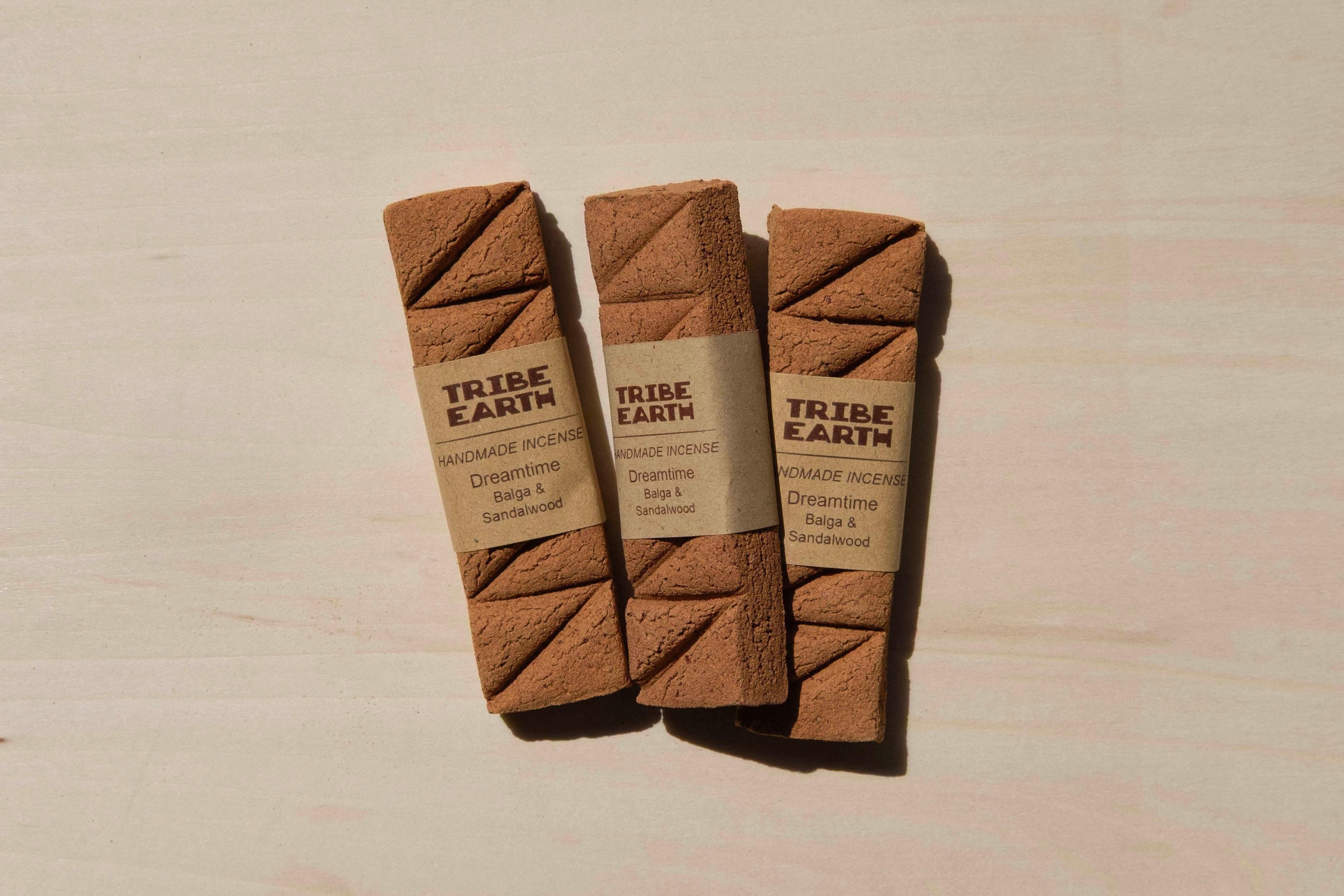
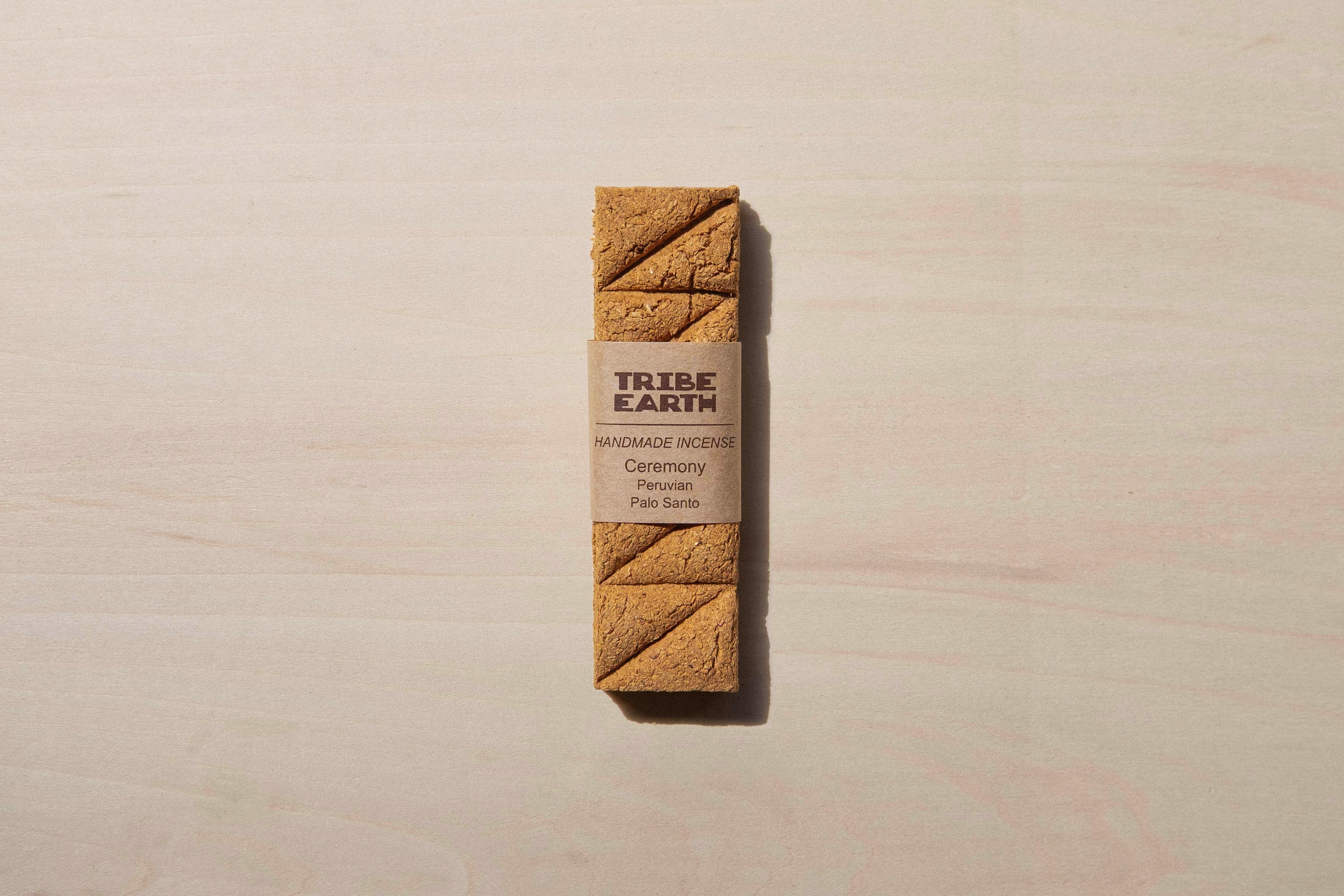
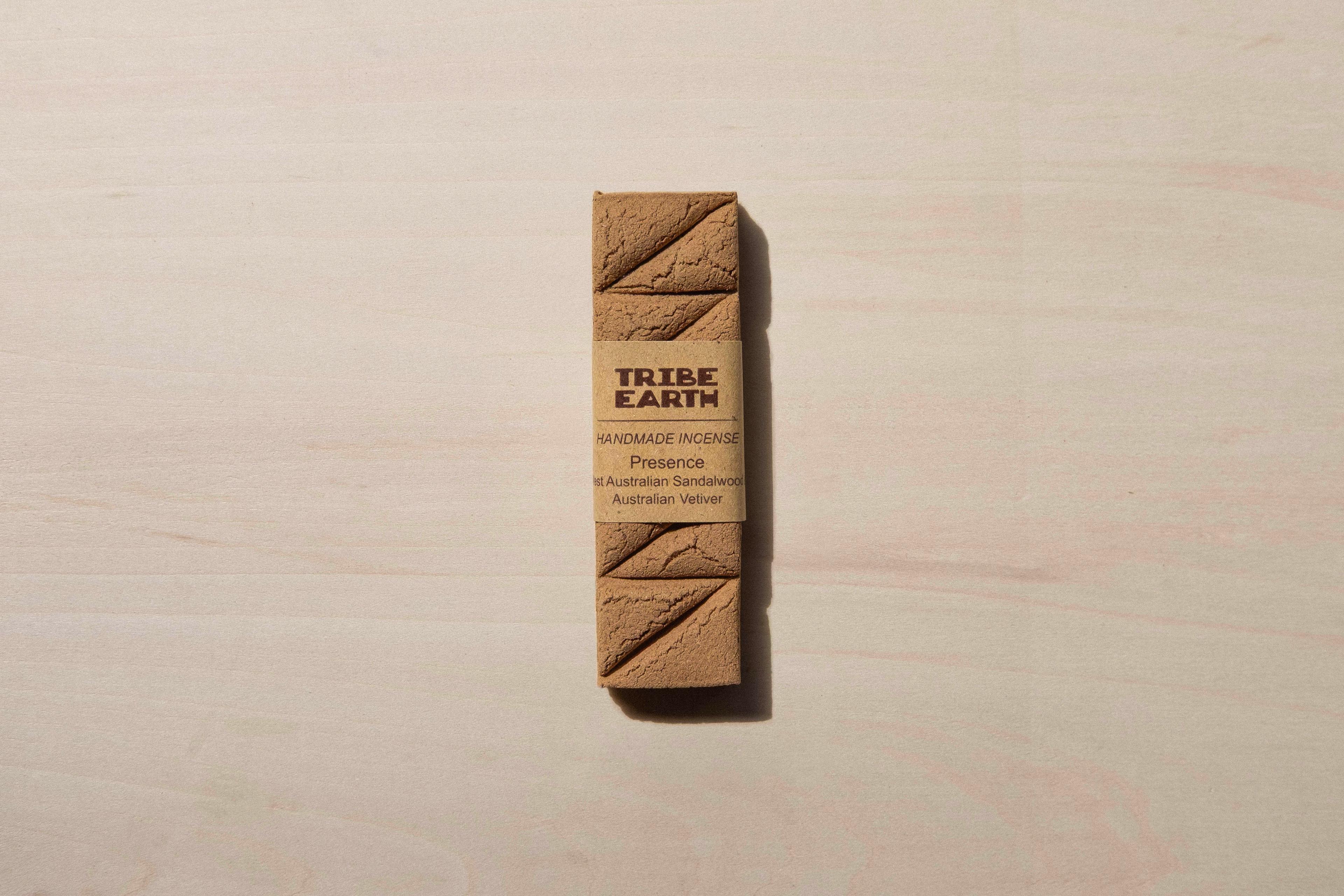
At the heart of natural incense is a focus on giving back to the environment, with careful attention paid to sourcing materials in a renewable and transparent way. Learn more about our natural incense brands, Subtle Bodies and Tribe Earth, in the article below!
Read 「Exploring your questions about Natural Incense!」